


Romania: The gateway to the European single market
Romania represents one of the most stable and dynamic economies in Eastern Europe, offering privileged access to the European Union’s common market.
Geopolitical context and stability
Status
Member of the European Union (since 2007) and NATO (since 2004), offering a business environment governed by European legislative standards, predictability, and legal certainty.
Positioning
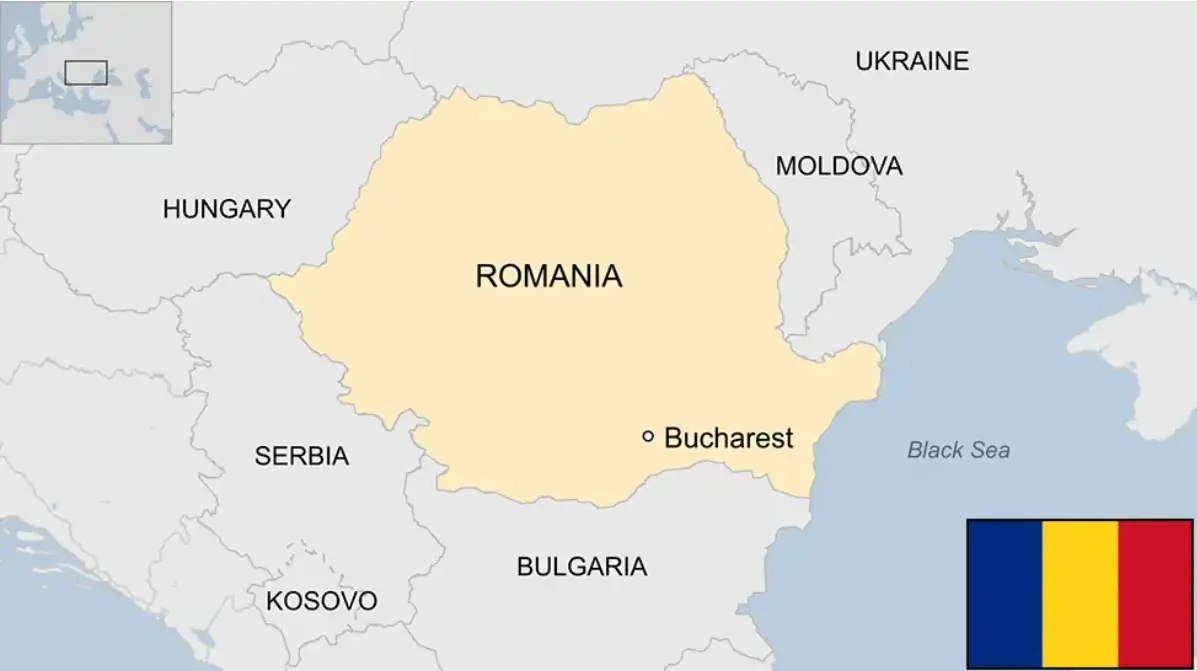
Strategically located at the intersection of Central Europe, the Balkans, and the Black Sea region, serving as an essential logistical hub for trade flows between East and West.
Economic profile
Tech hub
The IT sector is one of the economy's engines, with a highly skilled workforce recognized globally for expertise in software development and cybersecurity.
Industry and manufacturing
A diversified industrial base that includes the automotive industry, aeronautics, machinery production, and electronic components.
Agriculture
It possesses one of the largest agricultural areas in the EU, with high potential for exporting processed products and agricultural technologies.
Energy infrastructure
Romania holds a balanced energy mix and significant resources, being a key player in the region's energy security.
Competitive advantages
Workforce
Highly qualified personnel with high linguistic proficiency (English is the standard business language).
Costs and Quality
An optimal ratio between infrastructure quality, level of expertise, and operational costs.

ROKECC facilitates the bridge between these two hubs, ensuring that Romania’s technological expertise and Kenya’s resources/market potential generate added value for the members of both communities.
Kenya: The strategic hub of East Africa
Kenya is the economic engine of East Africa, serving as the gateway to the “Horn of Africa” region and a leader in digital innovation on the continent.
Geopolitical context and stability
Regional role
A founding member of the East African Community (EAC) and a central player in COMESA. Nairobi hosts UN headquarters, serving as the region's diplomatic capital. Nairobi hosts UN headquarters, serving as the region's diplomatic capital.
Positioning
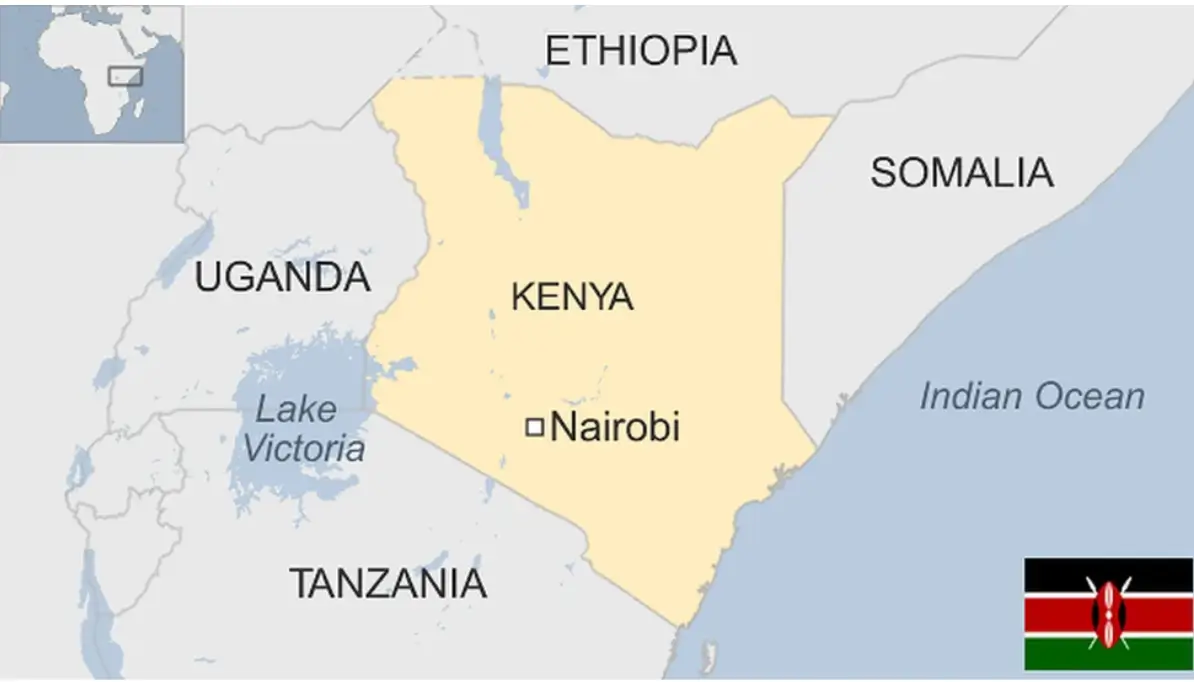
With access to the Indian Ocean through the Port of Mombasa, Kenya is the primary transit point for maritime trade in East Africa, facilitating access to inland continental markets (including via Lake Victoria).
Economic profile
„Silicon savannah”
Kenya has developed a world-class digital ecosystem, being a global leader in mobile payments and FinTech services (e.g., M-PESA). The IT and digital services sector contributes massively to the GDP.
Natural resources
It possesses strategic deposits, including rare metals essential for the global semiconductor industry (Mrima Hill area), as well as varied mineral resources.
Energy
Over 90% of the generated electricity comes from renewable sources (geothermal, solar, hydro), positioning Kenya as a pioneer of sustainability in Africa.
Agro-industry
Agriculture forms the backbone of the economy, with Kenya being a major exporter of agricultural products (tea, coffee, flowers) to global markets.
Competitive advantages
Demographics
A young population (70% under 35) and one of the highest literacy rates on the continent (over 80%).
Business environment
Liberal policies that allow for profit repatriation, easy company formation, and the protection of private property through the Constitution.